Commercial Moves in Ealing
When a business needs to relocate, time, planning, and careful handling matter just as much as the move itself. Commercial Moves in Ealing are about more than simply transporting desks and boxes from one place to another. They involve protecting equipment, keeping downtime to a minimum, managing access in busy streets, and making sure staff can get back to work as quickly as possible. For local companies in offices, shops, clinics, studios, workshops, and shared workspaces, a well-organised move can make a major difference to how smoothly the business keeps running.
Ealing is a varied part of west London, with a mix of independent businesses, professional offices, retail units, restaurants, education spaces, healthcare premises, and light commercial sites. From Ealing Broadway and South Ealing to West Ealing, Acton borders, Northfields, Pitshanger, Hanwell, and nearby Chiswick and Brentford connections, each area can bring different access conditions and timing challenges. That is why local knowledge matters. A team familiar with the area understands loading restrictions, narrow side roads, shared entrances, one-way systems, parking pressures, and the practical realities of moving within a busy borough.
Whether you are relocating a small office, moving an entire company floor, or changing premises for a customer-facing business, the process should be handled with care and flexibility. Commercial removals are not one-size-fits-all. Every business has different equipment, different operating hours, and different priorities. Some need an out-of-hours move, others need phased relocation, and many want help with dismantling, packing, transport, and setting up the new space in an orderly way.
Commercial moves tailored to local businesses

A successful business relocation starts with understanding what needs moving and how it should be handled. Commercial relocations in Ealing often include office furniture, filing systems, computers, printers, display units, stock, archive boxes, specialist tools, and sometimes fragile or confidential items. The best approach is to plan the move around your operations, not the other way around. That means considering your opening hours, staff availability, building access, and the type of items that must be kept secure throughout the process.
Businesses in Ealing range from long-established high street premises to modern serviced offices and mixed-use commercial buildings. Some units have lift access and service entrances; others have limited parking or shared corridors. In older buildings around Ealing Green, West Ealing, and parts of Hanwell, access can be tighter than expected, while some newer developments may have specific booking windows for loading bays or lifts. A local team can work around these conditions and help prevent delays on moving day.
For many businesses, the biggest concern is keeping disruption low. Staff still need to serve customers, answer calls, meet clients, and continue operations where possible. That is why commercial removals should be structured, phased, and clearly communicated. The right team will help you move department by department, floor by floor, or room by room if needed, so the business can stay functional during the transition.
What is included in a commercial move

Every business move is different, but a reliable commercial moving service usually covers a wide range of practical tasks. The service is designed to make the relocation safer, faster, and easier to manage for owners, managers, and staff. Depending on your needs, the move may include packing support, furniture handling, dismantling and reassembly, transport, and placement in the new premises.
Typical inclusions may involve:
- Pre-move planning and move-day scheduling
- Packing of office or commercial contents
- Safe handling of desks, chairs, cabinets, shelving, and meeting tables
- Protection for delicate equipment and surfaces
- Careful transport between premises
- Unloading and room-by-room placement
- Dismantling and reassembly of furniture where needed
- Support with archive boxes, files, and business materials
- Coordination for phased or out-of-hours moves
Some businesses also ask for help with workspace reorganisation at the destination. For example, a team may want reception furniture placed first, followed by desks, storage units, and then meeting-room items. A clear plan helps reduce confusion when the team arrives at the new site and needs to get back to work quickly. Careful sequencing is often just as important as the transport itself.
Types of businesses we help in Ealing
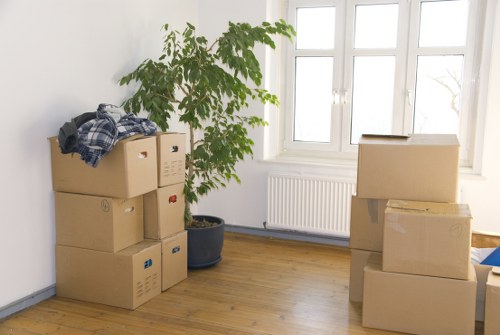
Commercial moving needs in Ealing cover a wide range of sectors. Offices may need to move between business centres near Ealing Broadway or into larger premises elsewhere in west London. Retailers may need a short-distance transfer from one high street unit to another. Clinics, consulting rooms, studios, and professional practices often need discreet handling because equipment, paperwork, and appointment schedules must all be protected.
Common business customers include:
- Office relocations for small and medium-sized companies
- Retail moves for shops, showrooms, and customer service premises
- Hospitality businesses including cafés, restaurants, and catering spaces
- Medical and wellness premises such as clinics and therapy rooms
- Educational and training spaces including tutoring rooms and offices
- Creative studios and design-based workspaces
- Warehousing or storage transfers for stock and equipment
Because the area includes both residential and commercial pockets, businesses sometimes move into converted buildings, shared offices, or mixed-use developments. Those buildings can have strict access times or shared entry points. A local moving team understands that a move in Ealing may need to happen with care for neighbours, tenants, building managers, and nearby traffic flow. That practical awareness helps the day run more smoothly.
Why a local team matters for Commercial Moves in Ealing

Using a local company for Commercial Moves in Ealing brings clear advantages. Local movers are more likely to understand the area’s layout, the busy periods around key roads, and the common issues businesses face when moving near stations, main roads, and residential streets. That knowledge can be especially useful when planning arrival times, parking arrangements, or access for larger vehicles.
Ealing has a mix of wide and narrow roads, busy junctions, residential parking zones, and commercial areas where space is limited. In places such as South Ealing, Northfields, and around Ealing Broadway, parking can be tight and timing can be crucial. If a business move runs late, the knock-on effect can impact staff, customers, and building access. A local team can plan around those realities rather than treating the move like a generic transport job.
Another benefit is responsiveness. Businesses often need flexibility. A shop might need to close briefly outside peak hours, or an office may want to move over a weekend to reduce disruption. A nearby moving team is often better placed to adapt to those requirements. Practical local support is especially valuable when there are last-minute changes, extra items to collect, or building restrictions that need to be managed on the day.
How the moving process usually works

A well-run commercial relocation follows a simple but effective process. The aim is to reduce confusion, protect business assets, and keep the move on schedule. While each job is different, the typical stages are similar and can be adapted to the size and complexity of the premises.
Most moves follow these steps:
- Initial assessment of what needs moving and any access issues
- Planning around dates, times, team requirements, and building rules
- Packing and preparation of items that need protection
- Furniture dismantling if desks, tables, or shelving need to be taken apart
- Loading and transport with care for fragile or valuable items
- Unloading and placement at the new premises
- Reassembly and final positioning so the workplace can reopen efficiently
Some businesses prefer a staged relocation, especially if they are moving a large team or a premises that must stay partially operational. In those cases, the move can be split into sections so that one department moves while another continues working. This approach is often helpful for office relocations, professional practices, and customer-facing businesses that cannot afford a full shutdown.
Preparing for your business move
Preparation is one of the most important parts of a successful relocation. Even with a skilled moving team, there are simple things you can do to make the process faster and safer. Good preparation reduces the risk of missing items, protects sensitive documents, and helps the move-day team work efficiently.
A practical preparation checklist may include:
- Sorting items into what is moving, what is being stored, and what can be discarded
- Labeling boxes clearly by department, room, or floor
- Backing up digital files and securing devices in advance
- Removing personal items from desks and shared areas
- Notifying staff about packing deadlines and move timing
- Checking lift access, parking, and any building rules
- Separating confidential files or restricted materials for special handling
- Measuring larger furniture or equipment to confirm it will fit through doorways and corridors
It is also worth notifying clients, suppliers, and service providers well ahead of time so they know about the change of address and any temporary interruptions. If the business uses specialist equipment, make sure someone responsible is available on moving day to answer questions and confirm where items should be placed at the destination.
Clear preparation saves time and helps avoid unnecessary stress. When everyone knows what is happening and what is expected, the move can feel much more manageable.
What to do before moving day
In the final days before the move, keep desks and workstations as tidy as possible. Group similar items together, remove unnecessary clutter, and make sure fragile items are packed securely. If the premises have shared entrances or building management instructions, confirm them in advance. This is especially useful in mixed-use properties and office blocks where access can be sensitive.
If you are relocating from or to a busy part of Ealing, allow extra time for loading and unloading. Roads around commercial centres can become busy during school runs, commuter hours, and local peak periods. A little extra planning on timing can make the entire day more efficient.
Pricing factors for commercial relocations
Business owners often want to know what affects the cost of a commercial move. While exact figures depend on the job, the main pricing factors are generally straightforward. Understanding them can help you compare quotes more confidently and choose the right service for your needs.
Common factors include:
- The size of the premises and the amount of furniture or stock
- The distance between the old and new locations
- The number of movers required
- Whether packing, dismantling, or reassembly is needed
- Access conditions such as stairs, lifts, or limited parking
- Special handling for fragile, bulky, or high-value items
- Out-of-hours, weekend, or phased moving requirements
Commercial customers in Ealing often find that the most cost-effective solution is not simply the cheapest one, but the one that reduces downtime and protects business continuity. A move that is poorly planned can cost time, cause damage, or interrupt trading. A well-organised commercial removal service helps reduce those risks and gives you a clearer picture of the work involved before moving day arrives.
Why quotes can vary
Two office moves that look similar at first can require very different levels of work. For example, one may involve straightforward desk and chair transport from a ground-floor office, while another might require careful scheduling, service lift use, multiple loading trips, and secure handling of files or equipment. That is why an accurate quote usually depends on the details of your premises and the items you need moved.
Commercial areas and nearby locations covered
Ealing businesses are spread across a wide and varied local area, and commercial moving support is often needed in more than one neighbourhood. Many customers are based close to transport links or on streets where traffic and parking need to be considered carefully. Nearby locations and local areas often served include Ealing Broadway, West Ealing, South Ealing, Northfields, Hanwell, Pitshanger, Acton, Brentford, and bordering west London business areas.
This matters because a move in one part of Ealing may be very different from a move in another. A high street shop near a busy junction may need a quick loading plan, while an office in a converted building may need lift reservations or coordination with building management. Local service helps you deal with these details without unnecessary delays.
Commercial customers in nearby areas also benefit from a team that understands local travel routes and access constraints. That can be especially useful if your business is moving between Ealing and surrounding west London districts and needs reliable transport with minimal fuss.
Common challenges during business moves
Every move has its own complications, but business relocations often have some shared challenges. The key is anticipating them early and planning practical solutions. Many of the most common issues can be managed effectively when the move is organised properly.
- Limited parking near busy streets or shared premises
- Time restrictions set by building management or landlords
- Confidential materials that must be handled carefully
- Fragile equipment such as monitors, screens, and specialist tools
- Bulky furniture that needs dismantling before transport
- Staff coordination when multiple departments are involved
- Minimising downtime for customer-facing businesses
In Ealing, some premises also sit within mixed residential and commercial streets, which means noise, loading time, and pedestrian access need attention. A considerate moving team helps keep the relocation professional and orderly, which can matter when the business is operating near homes, schools, or shared access routes.
For many business owners, the biggest concern is not just moving items, but making sure the new premises are ready to function. That is why a reliable move includes placement, not just transport. When desks, chairs, and equipment arrive in the right places, staff can begin working sooner and the transition feels far less disruptive.
What makes a commercial move smoother on the day
A smooth move-day experience is usually the result of good planning and clear communication. The business should know what time the movers are arriving, which items are being moved first, and who is responsible for decisions if questions come up. Likewise, the moving team should have a clear understanding of access points, building restrictions, fragile items, and the order in which the destination rooms should be set up.
Useful move-day practices include:
- Keeping walkways clear at both locations
- Having keys, access cards, or entry instructions ready
- Making sure one person is available to direct the move
- Separating urgent items needed immediately after arrival
- Confirming where boxes and furniture should be placed
- Checking that lifts, bays, or loading areas are available when needed
These small details can make a noticeable difference. They help the move team work efficiently and reduce the chance of confusion once the items arrive. For businesses with a lot of equipment or a tight schedule, this sort of preparation is often the difference between a stressful day and a manageable one.
Why businesses choose professional commercial removals
Some businesses consider moving with internal staff, especially if the premises are small. But commercial relocations often involve more than a few boxes and a van. There can be awkward furniture, confidential paperwork, delicate electronics, and fixed time windows. Professional movers bring the equipment, experience, and organisation needed to keep the process controlled.
Reasons businesses often choose a professional service include:
- Reduced risk of damage to furniture or equipment
- Better handling of heavy or awkward items
- Less pressure on staff
- Improved planning for larger or phased moves
- More efficient loading, transport, and placement
- Greater confidence when moving in busy parts of Ealing
For many local firms, the goal is simple: move efficiently, protect the business, and get back to work with as little disruption as possible. That is exactly where a well-planned commercial move adds value.
FAQs about commercial moves in Ealing
How far in advance should a business book a move?
It is best to plan as early as possible, especially if your move needs to happen outside business hours, over a weekend, or in phases. Early planning also helps with building access, staff coordination, and packing.
Can a commercial move be done outside office hours?
Yes, many businesses prefer early morning, evening, or weekend moves to reduce disruption. This is often useful for offices, retail units, and customer-facing businesses that cannot afford to close during the day.
Do commercial removals include packing?
They can. Some businesses prefer a full packing service, while others only need transport and handling. The right level of help depends on your schedule, the amount of equipment, and how much you want to do internally.
What if my premises have difficult access?
That is very common in Ealing and surrounding areas. Narrow streets, limited parking, stair access, and shared entrances can all be planned for. The key is to discuss access issues early so the move can be organised around them.
Can furniture be dismantled and reassembled?
Yes, many commercial moves include dismantling and reassembly of desks, tables, shelving, and other office furniture. This can be especially useful for larger items that will not fit through doorways or lifts in one piece.
What should I do with confidential files?
Confidential items should be separated, labeled carefully, and handled by a responsible person within the business. If you need them moved, make sure they are packed securely and kept in a system that remains easy to track throughout the relocation.
Book your commercial move with confidence
If you are planning a business relocation, the smartest approach is to start with a clear plan and a team that understands the practical realities of moving in and around Ealing. Whether you are moving a small office, a retail unit, or a larger commercial space, professional support can help you stay organised, protect your equipment, and reduce downtime.
Local businesses benefit from a service that understands Ealing’s roads, access points, building layouts, and busy working patterns. That local insight can save time and reduce stress, especially when there are deadlines or limited access windows to work around. From initial planning to careful unloading at the new site, the right team makes the relocation feel more controlled and less disruptive.
Need a reliable solution for Commercial Moves in Ealing? Contact us today, request a free quote, or book your service now to arrange a move that fits your business schedule. A well-planned relocation can help you keep trading, stay organised, and settle into your new premises with confidence.